📦 FREE SHIPPING OVER 120 RON
Order Tracking Individuals / Sales: 0745 200 357 / Orders Legal Entities: 0721 722 783
Manuscript proposals: [email protected] : 0745 204 115

 EN
EN  Romana
6359.png "Editura Universitară") Intellectual elites in Romanian culture
Intellectual elites in Romanian culture
![Intellectual elites in Romanian culture [0]](https://gomagcdn.ro/domains/editurauniversitara.ro/files/product/medium/elitele-intelectuale-in-cultura-romana-466935.jpg "Intellectual elites in Romanian culture [0]")
![Intellectual elites in Romanian culture [1]](https://gomagcdn.ro/domains/editurauniversitara.ro/files/product/medium/elitele-intelectuale-in-cultura-romana-600270.png "Intellectual elites in Romanian culture [1]")
![Intellectual elites in Romanian culture [1]](https://gomagcdn.ro/domains/editurauniversitara.ro/files/product/original/elitele-intelectuale-in-cultura-romana-466935.jpg "Intellectual elites in Romanian culture [1]")
![Intellectual elites in Romanian culture [2]](https://gomagcdn.ro/domains/editurauniversitara.ro/files/product/original/elitele-intelectuale-in-cultura-romana-600270.png "Intellectual elites in Romanian culture [2]")
Publisher: Editura Universitară
Author: Florentina Nicolae, Marina Cap-Bun
Edition: I
Pages: 406
Publisher year: 2024
ISBN: 978-606-28-1830-2
DOI: https://doi.org/10.5682/9786062818302
Product Code:
9786062818302
Do you need help?
0745 200 357
- Description
- Browse (1)
- Authors
- Content
- More details
- Reviews (0)
This volume brings together the works of the international conference Intellectual Elites in Romanian Culture, organized by the Professional Research and Development Center "Romanian Studies in International Context", under the auspices of "Ovidius" University in Constanta, which took place on November 11-12, 2022. He is the eleventh volume edited by STUR, after: The actuality of Caragiale 1912-2012 (2012), Junimea and its impact after 150 years (2013), Literature, theater and film – In honor of the playwright Matei Vişniec (2015), Cultures and Eastern European civilizations. In memoriam Aida Todi (2016), Romanian studies in inter- and transdisciplinary context. In memoriam Marin Mincu (2017), Ovidius in Romania. In memoriam Magistri Stephani Cucu (2018), Romanian Studies in the Centenary Year (2019) and 100 years of the Romanian novel (2020), Mihai Eminescu at 170 years after his birth. Reassessments required. In memoriam Christina Zarifopol Illias (2021), Romanian language, literature and civilization in the world (2023).
Like all the previous volumes, this collection of essays was subjected to a specialized expertise, by scientific referees of the highest academic standards, to whom we thank, once again, for the support given to our project: Prof. univ. Dr. Jozefina Komporaly, University of the Arts, London, Prof. univ. Dr. Lăcrămioara Petrescu, "Alexandru Ioan Cuza" University from Iași and Univ. Conf. Dr. Elena Ionescu, from the University of Bucharest.
Like all the previous volumes, this collection of essays was subjected to a specialized expertise, by scientific referees of the highest academic standards, to whom we thank, once again, for the support given to our project: Prof. univ. Dr. Jozefina Komporaly, University of the Arts, London, Prof. univ. Dr. Lăcrămioara Petrescu, "Alexandru Ioan Cuza" University from Iași and Univ. Conf. Dr. Elena Ionescu, from the University of Bucharest.
-
Intellectual elites in Romanian culture
Download
Volume coordinated by:
MARINA CAP-BUN
FLORENTINA NICOLAE
MARINA CAP-BUN
FLORENTINA NICOLAE
Introductory details / 7
Cultural and literary studies / 11
Valy Ceia, Solomon Marcus and the paradigms of knowledge. Small reliefs / 13
Elena Ionescu, Cultural dialogues. A portrait Iosif Sava / 27
Ionuț Holubeanu, The contribution of academician Emilian Popescu to the understanding of the church organization in the Roman province of Scythia, in the 4th and 6th centuries AD / 37
Ioana Vasiloiu, Personal image and public image (Management of reputation in the royal courts of old) / 53
Florentina Nicolae, Samuil Micu, trailblazer in Romanian culture / 67
Marina Cap Bun, Junimea, between elitism and mass culture / 73
Cosmin Căprioara, Geography of a passion / 85
Mădălina Stoica, Intellectual elites in exile. A look at literature with Romanian origins / 95
Matilda Breazu, Paul Miron – A Romanian philologist in exile / 109
Dragoș Vlad Topală, Monica Lovinescu – The language of literary criticism and cultural discourse at Radio Europa Liberă / 117
Bianca Virginia Vandachevici (Ibadula), Eminescian journalistic discourse between classical antiquity and the modernity of European values / 129
Robert Andrei Stoica, Mihai Eminescu: Formation of a national collective imaginary through journalism, prose and dramaturgy / 147
Lavinia Iuliana Călin, Types of chronotope in the short stories of Ioan Slavici / 165
Mihaela Ramona Nour (Mândreanu), I. L. Caragiale in the elite of European dramaturgy. Case study: Typology of the barber valet at Beaumarchais and Caragiale / 181
Anastasia Dumitru, Mythic and symbolic thinking in Lucian Blaga's lyrics / 193
Liliana Smeu (Turosu), Dumitru Radu Popescu - The triumph of the terrifying magic / 209
Corina Mihaela Apostoleanu, Reading habits, personal and public libraries in the historical Romanian provinces in the pre-modern era (1780 1821) / 219
Dana Trifan Enache, Nina Udrescu exponent of the Tomitan cultural elite / 227
Carmen Ciornea, Cultural landmarks and ideological identity in the media from interwar Romania. Case study: "Floarea de Foc" magazine / 239
Sorin Mihai, Emotional universe in the novels inspired by the first world war / 259
Andreea Cătălina Răcaru, Garabet Ibrăileanu in the context of Romanian modernity 279
Iulia Magdalena Bălan (Greek), Mihai Eminescu, continuous presence in the canon / 291
Alina Roxana Cioromelea (Panait), Elite screenings. Case study: Stere Gulea – "Moromeții" / 303
Alina Anamaria Ganea, Reception of Mihail Bulgakov's work in Romania / 315
Luminița Moiseanu, The mythical biography of Mircea Eliade, under the auspices of fiction and science / 331
Workshop "Matei Vișniec" / 341
Marina Cap Bun, The Last Days of the West. Some unsettling questions about the fate of civilizations / 343
Simona Nicoleta Minciu, Poetics of Matei Vișniec's novels / 359
Augustin Virgiliu Petcu, I. L. Caragiale and Matei Vișniec. Cultural correspondences of yesterday and today / 383
Data about authors / 403
Cultural and literary studies / 11
Valy Ceia, Solomon Marcus and the paradigms of knowledge. Small reliefs / 13
Elena Ionescu, Cultural dialogues. A portrait Iosif Sava / 27
Ionuț Holubeanu, The contribution of academician Emilian Popescu to the understanding of the church organization in the Roman province of Scythia, in the 4th and 6th centuries AD / 37
Ioana Vasiloiu, Personal image and public image (Management of reputation in the royal courts of old) / 53
Florentina Nicolae, Samuil Micu, trailblazer in Romanian culture / 67
Marina Cap Bun, Junimea, between elitism and mass culture / 73
Cosmin Căprioara, Geography of a passion / 85
Mădălina Stoica, Intellectual elites in exile. A look at literature with Romanian origins / 95
Matilda Breazu, Paul Miron – A Romanian philologist in exile / 109
Dragoș Vlad Topală, Monica Lovinescu – The language of literary criticism and cultural discourse at Radio Europa Liberă / 117
Bianca Virginia Vandachevici (Ibadula), Eminescian journalistic discourse between classical antiquity and the modernity of European values / 129
Robert Andrei Stoica, Mihai Eminescu: Formation of a national collective imaginary through journalism, prose and dramaturgy / 147
Lavinia Iuliana Călin, Types of chronotope in the short stories of Ioan Slavici / 165
Mihaela Ramona Nour (Mândreanu), I. L. Caragiale in the elite of European dramaturgy. Case study: Typology of the barber valet at Beaumarchais and Caragiale / 181
Anastasia Dumitru, Mythic and symbolic thinking in Lucian Blaga's lyrics / 193
Liliana Smeu (Turosu), Dumitru Radu Popescu - The triumph of the terrifying magic / 209
Corina Mihaela Apostoleanu, Reading habits, personal and public libraries in the historical Romanian provinces in the pre-modern era (1780 1821) / 219
Dana Trifan Enache, Nina Udrescu exponent of the Tomitan cultural elite / 227
Carmen Ciornea, Cultural landmarks and ideological identity in the media from interwar Romania. Case study: "Floarea de Foc" magazine / 239
Sorin Mihai, Emotional universe in the novels inspired by the first world war / 259
Andreea Cătălina Răcaru, Garabet Ibrăileanu in the context of Romanian modernity 279
Iulia Magdalena Bălan (Greek), Mihai Eminescu, continuous presence in the canon / 291
Alina Roxana Cioromelea (Panait), Elite screenings. Case study: Stere Gulea – "Moromeții" / 303
Alina Anamaria Ganea, Reception of Mihail Bulgakov's work in Romania / 315
Luminița Moiseanu, The mythical biography of Mircea Eliade, under the auspices of fiction and science / 331
Workshop "Matei Vișniec" / 341
Marina Cap Bun, The Last Days of the West. Some unsettling questions about the fate of civilizations / 343
Simona Nicoleta Minciu, Poetics of Matei Vișniec's novels / 359
Augustin Virgiliu Petcu, I. L. Caragiale and Matei Vișniec. Cultural correspondences of yesterday and today / 383
Data about authors / 403
This volume brings together the works of the international conference Intellectual Elites in Romanian Culture, organized by the Professional Research and Development Center "Romanian Studies in International Context", under the auspices of "Ovidius" University in Constanta, which took place on November 11-12, 2022. He is the eleventh volume edited by STUR, after: The actuality of Caragiale 1912-2012 (2012), Junimea and its impact after 150 years (2013), Literature, theater and film – In honor of the playwright Matei Vişniec (2015), Cultures and Eastern European civilizations. In memoriam Aida Todi (2016), Romanian studies in inter- and transdisciplinary context. In memoriam Marin Mincu (2017), Ovidius in Romania. In memoriam Magistri Stephani Cucu (2018), Romanian Studies in the Centenary Year (2019) and 100 years of the Romanian novel (2020), Mihai Eminescu at 170 years after his birth. Reassessments required. In memoriam Christina Zarifopol Illias (2021), Romanian language, literature and civilization in the world (2023).
Like all the previous volumes, this collection of essays was subjected to a specialized expertise, by scientific referees of the highest academic standards, to whom we thank, once again, for the support given to our project: Prof. univ. Dr. Jozefina Komporaly, University of the Arts, London, Prof. univ. Dr. Lăcrămioara Petrescu, "Alexandru Ioan Cuza" University from Iași and Univ. Conf. Dr. Elena Ionescu, from the University of Bucharest.
The "Cultural and Literary Studies" section brings together a series of contributions dedicated to leading personalities of Romanian culture. It is inaugurated by Valy Ceia, from the Western University of Timisoara, who dwells on an emblematic figure for the option of interdisciplinarity, in the study of Solomon Marcus and the paradigms of knowledge. Small reliefs. Elena Ionescu offers us unique Cultural Dialogues. A portrait Iosif Sava, and Ionuț Holubeanu writes about The Contribution of the academician Emilian Popescu to the understanding of the church organization in the Romanian province of Scythia, in the IV-VI centuries AD. Dragoș Vlad Topală also chooses to write about a great personality, in his study Monica Lovinescu – The language of literary criticism and cultural discourse at Radio Europa Liberă.
Ioana Vasiloiu inaugurates a fascinating foray into the past, in the study Personal image and public image (Management of reputation at the royal courts of old), complemented by the study of Florentina Nicolae, Samuil Micu, trailblazer in Romanian culture. Corina Mihaela Apostoleanu also dwells on the premodern period, who gives us precious documentary data about Reading habits, personal and public libraries in the historical Romanian provinces in the premodern era (1780-1821).
Marina Cap Bun investigates the mental and civilizational transformations from the middle of the 19th century, in the Junimea study, between elitism and mass culture. Dana Trifan Enache also writes about elitism, in her study Nina Udrescu - exponent of the Tomitan cultural elite and Mădălina Stoica, interested in Intellectual Elites in exile. A look at literature with Romanian origins.
The summary also includes philological approaches, brilliantly represented by Matilda Breazu, with her study Paul Miron – A Romanian philologist in exile and by Cosmin Căprioară, who traces the Geography of a passion, praising the personality of a great Tomitan dialectologist, Marin Petrișor.
Among the collaborations of doctoral students who have already defended their theses, we mention Carmen Ciornea (Cultural landmarks and ideological identity in the media from interwar Romania. Case study: "Floarea de Foc" magazine), Anastasia Dumitru (Mythical-symbolic thinking in Lucian's lyrics Blaga) and Iulia Magdalena Bălan Grecu (Mihai Eminescu, continuous presence in the canon).
We also note the presence in the summary of the volume, of an important number of doctoral students of the Doctoral School of Humanities at the "Ovidius" University in Constanţa, who are in different stages of research: Bianca-Virginia Ibadula (Eminescian publicist discourse between classical antiquity and the modernity of European values), Luminița Moiseanu Radu, (Mythical biography of Mircea Eliade, under the auspices of fiction and science), Robert Andrei Stoica (Mihai Eminescu: Formation of a national collective imagination through journalism, prose and dramaturgy), Mihaela Ramona Nour Mândreanu (I. L. Caragiale in the elite of European dramaturgy. Case study: Typology of the barber at Beaumarchais and Caragiale), Alina Anamaria Ganea (Reception of Mihail Bulgakov's work in Romania), Alina Roxana Cioromelea Panait (Elite screenplays. Case study: Stere Gulea – "The Murmurs") , Andreea Cătălina Răcaru (Garabet Ibrăileanu in the context of Romanian modernity), Liliana Smeu Turosu (Dumitru Radu Popescu - The Triumph of the Terrifying Magic) and Sorin Mihai (Emotional universe in novels inspired by the First World War). We also opened the pages to young researchers, beginners, as is the case of the master's student Lavinia Iuliana Călin, who writes about Types of chronotope in the short stories of Ioan Slavici.
"Matei Vişniec's workshop", resulting from the research of the work group dedicated to the author, established within STUR in 2014, includes three studies. Marina Cap Bun analyzes the volume of short prose The Last Days of the West, asking herself Some unsettling questions about the destiny of civilizations. In this context, Simona Nicoleta Minciu publishes a fragment of her doctoral thesis, very close to completion, on the Poetics of Matei Vișniec's novels, and Augustin Virgiliu Petcu, a recent doctoral student of the Doctoral School of Humanities, publishes a fragment of his doctoral project, I. L. Caragiale and Matei Vișniec.
We would like to thank Ms. Emerald Anne St. Clair Drysdale, librarian at the American Corner branch of the "Ioan Popișteanu" University Library, who was kind enough to rigorously check and edit the summaries in English of all authors.
As always, we hope that this tome will be a useful source of information, both for students, masters and doctoral students, and for the general public, already familiar with the study volumes of the STUR center.
The editors
Like all the previous volumes, this collection of essays was subjected to a specialized expertise, by scientific referees of the highest academic standards, to whom we thank, once again, for the support given to our project: Prof. univ. Dr. Jozefina Komporaly, University of the Arts, London, Prof. univ. Dr. Lăcrămioara Petrescu, "Alexandru Ioan Cuza" University from Iași and Univ. Conf. Dr. Elena Ionescu, from the University of Bucharest.
The "Cultural and Literary Studies" section brings together a series of contributions dedicated to leading personalities of Romanian culture. It is inaugurated by Valy Ceia, from the Western University of Timisoara, who dwells on an emblematic figure for the option of interdisciplinarity, in the study of Solomon Marcus and the paradigms of knowledge. Small reliefs. Elena Ionescu offers us unique Cultural Dialogues. A portrait Iosif Sava, and Ionuț Holubeanu writes about The Contribution of the academician Emilian Popescu to the understanding of the church organization in the Romanian province of Scythia, in the IV-VI centuries AD. Dragoș Vlad Topală also chooses to write about a great personality, in his study Monica Lovinescu – The language of literary criticism and cultural discourse at Radio Europa Liberă.
Ioana Vasiloiu inaugurates a fascinating foray into the past, in the study Personal image and public image (Management of reputation at the royal courts of old), complemented by the study of Florentina Nicolae, Samuil Micu, trailblazer in Romanian culture. Corina Mihaela Apostoleanu also dwells on the premodern period, who gives us precious documentary data about Reading habits, personal and public libraries in the historical Romanian provinces in the premodern era (1780-1821).
Marina Cap Bun investigates the mental and civilizational transformations from the middle of the 19th century, in the Junimea study, between elitism and mass culture. Dana Trifan Enache also writes about elitism, in her study Nina Udrescu - exponent of the Tomitan cultural elite and Mădălina Stoica, interested in Intellectual Elites in exile. A look at literature with Romanian origins.
The summary also includes philological approaches, brilliantly represented by Matilda Breazu, with her study Paul Miron – A Romanian philologist in exile and by Cosmin Căprioară, who traces the Geography of a passion, praising the personality of a great Tomitan dialectologist, Marin Petrișor.
Among the collaborations of doctoral students who have already defended their theses, we mention Carmen Ciornea (Cultural landmarks and ideological identity in the media from interwar Romania. Case study: "Floarea de Foc" magazine), Anastasia Dumitru (Mythical-symbolic thinking in Lucian's lyrics Blaga) and Iulia Magdalena Bălan Grecu (Mihai Eminescu, continuous presence in the canon).
We also note the presence in the summary of the volume, of an important number of doctoral students of the Doctoral School of Humanities at the "Ovidius" University in Constanţa, who are in different stages of research: Bianca-Virginia Ibadula (Eminescian publicist discourse between classical antiquity and the modernity of European values), Luminița Moiseanu Radu, (Mythical biography of Mircea Eliade, under the auspices of fiction and science), Robert Andrei Stoica (Mihai Eminescu: Formation of a national collective imagination through journalism, prose and dramaturgy), Mihaela Ramona Nour Mândreanu (I. L. Caragiale in the elite of European dramaturgy. Case study: Typology of the barber at Beaumarchais and Caragiale), Alina Anamaria Ganea (Reception of Mihail Bulgakov's work in Romania), Alina Roxana Cioromelea Panait (Elite screenplays. Case study: Stere Gulea – "The Murmurs") , Andreea Cătălina Răcaru (Garabet Ibrăileanu in the context of Romanian modernity), Liliana Smeu Turosu (Dumitru Radu Popescu - The Triumph of the Terrifying Magic) and Sorin Mihai (Emotional universe in novels inspired by the First World War). We also opened the pages to young researchers, beginners, as is the case of the master's student Lavinia Iuliana Călin, who writes about Types of chronotope in the short stories of Ioan Slavici.
"Matei Vişniec's workshop", resulting from the research of the work group dedicated to the author, established within STUR in 2014, includes three studies. Marina Cap Bun analyzes the volume of short prose The Last Days of the West, asking herself Some unsettling questions about the destiny of civilizations. In this context, Simona Nicoleta Minciu publishes a fragment of her doctoral thesis, very close to completion, on the Poetics of Matei Vișniec's novels, and Augustin Virgiliu Petcu, a recent doctoral student of the Doctoral School of Humanities, publishes a fragment of his doctoral project, I. L. Caragiale and Matei Vișniec.
We would like to thank Ms. Emerald Anne St. Clair Drysdale, librarian at the American Corner branch of the "Ioan Popișteanu" University Library, who was kind enough to rigorously check and edit the summaries in English of all authors.
As always, we hope that this tome will be a useful source of information, both for students, masters and doctoral students, and for the general public, already familiar with the study volumes of the STUR center.
The editors
If you want to express your opinion about this product you can add a review.
write a review
Similar products
Hello, Kinder! German for beginners - Evemarie Draganovici, Andreea Rusen


English without teacher & 2 audio CDs. Instant method - Sandra Stevens
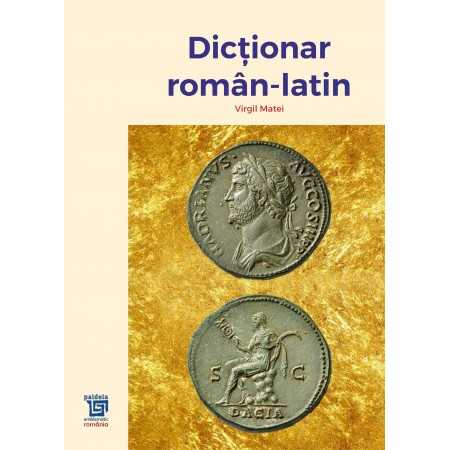
Romanian-Latin dictionary - Virgil Matei