📦 FREE SHIPPING OVER 120 RON
Order Tracking Individuals / Sales: 0745 200 357 / Orders Legal Entities: 0721 722 783
Manuscript proposals: [email protected] : 0745 204 115

 EN
EN  Romana
6359.png "Editura Universitară") Care Plans
Care Plans
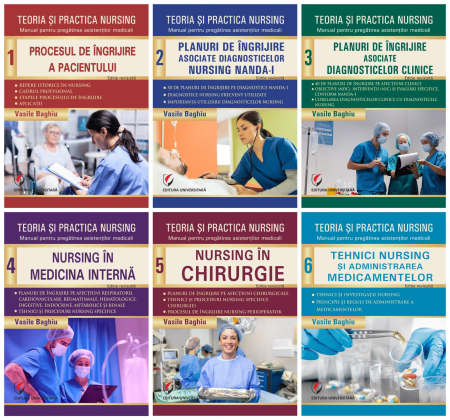
![Care plans package [1]](https://gomagcdn.ro/domains/editurauniversitara.ro/files/product/original/pachetul-planuri-de-ingrijire-volumele-2-si-3-352677.jpeg "Care plans package [1]")
Publisher: Editura Universitară
Author: Vasile Baghiu
Edition: review
Pages: 214/232
Publisher year: 2026
ISBN: 978-606-28-2222-4 /978-606-28-2223-1
Product Code:
9786062822224/9786062822231
Do you need help?
0745 200 357
- Description
- Reviews (0)
- FAQ
Two volumes for situations where you need to transform patient data into a clear plan of care.
A care plan becomes useful when the diagnosis, goals, interventions, and outcomes are logically linked.
This package helps you follow the connection from both the nursing diagnosis perspective and the patient's clinical situation.
The two volumes can be used for study, for practical work, and for understanding how a care plan adapts to different problems.
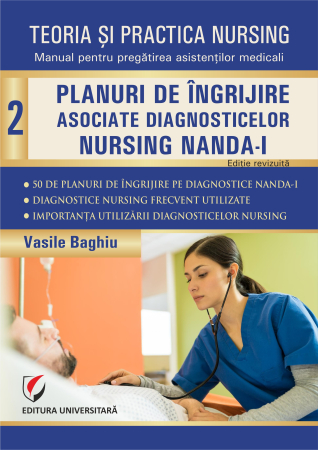
Volume 2 - Care Plans Associated with NANDA-I Nursing Diagnoses presents plans based on nursing diagnoses. Interventions are organized using the NIC classification and the outcomes tracked using the NOC classification, so you can more easily see what problem is identified, what is being tracked, and what actions are needed.
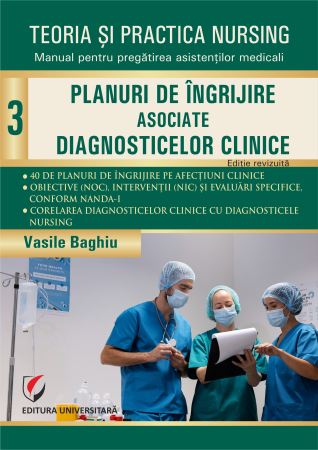
Volume 3 - Care Plans Associated with Clinical Diagnoses starts with common clinical situations and correlates the medical diagnosis with nursing diagnoses, interventions, and expected outcomes. You can consult it when you are preparing a clinical case and need to see how the plan is adapted to the patient's condition.
The package is useful when:
• you are writing care plans for practical work;
• you are preparing case studies for school, college or internship;
• you want to understand the difference between medical diagnosis and nursing diagnosis;
• you need to correlate NANDA-I diagnosis with NIC interventions and NOC results;
• you are looking for models for organizing objectives and interventions;
• you want to check if your plan follows a clear logic.
Why is it useful to have them together?
Because Volume 2 organizes care starting from the nursing diagnosis, and Volume 3 applies it to clinical situations.
You can study the same logic from two directions and you can more easily understand how to build a plan adapted to the patient.
The package is useful for students, teachers and nurses working with care plans and case studies.
You save 20 lei.
Product compliance information
A care plan becomes useful when the diagnosis, goals, interventions, and outcomes are logically linked.
This package helps you follow the connection from both the nursing diagnosis perspective and the patient's clinical situation.
The two volumes can be used for study, for practical work, and for understanding how a care plan adapts to different problems.
Volume 2 - Care Plans Associated with NANDA-I Nursing Diagnoses presents plans based on nursing diagnoses. Interventions are organized using the NIC classification and the outcomes tracked using the NOC classification, so you can more easily see what problem is identified, what is being tracked, and what actions are needed.
Volume 3 - Care Plans Associated with Clinical Diagnoses starts with common clinical situations and correlates the medical diagnosis with nursing diagnoses, interventions, and expected outcomes. You can consult it when you are preparing a clinical case and need to see how the plan is adapted to the patient's condition.
The package is useful when:
• you are writing care plans for practical work;
• you are preparing case studies for school, college or internship;
• you want to understand the difference between medical diagnosis and nursing diagnosis;
• you need to correlate NANDA-I diagnosis with NIC interventions and NOC results;
• you are looking for models for organizing objectives and interventions;
• you want to check if your plan follows a clear logic.
Why is it useful to have them together?
Because Volume 2 organizes care starting from the nursing diagnosis, and Volume 3 applies it to clinical situations.
You can study the same logic from two directions and you can more easily understand how to build a plan adapted to the patient.
The package is useful for students, teachers and nurses working with care plans and case studies.
You save 20 lei.
If you want to express your opinion about this product you can add a review.
write a review
Who is the "Nursing Theory and Practice" series aimed at?
The series is primarily intended for students training to become general care nurses, but it may also be useful to practicing nurses and other healthcare professionals.
What international classifications are used in the paper?
The series utilizes the NANDA-I, NIC, and NOC international classifications, which are important for formulating nursing diagnoses, planning interventions, and evaluating care outcomes.
What is NANDA-I and how is it used in nursing?
NANDA-I represents an international classification of nursing diagnoses. Within the care process, it contributes to the identification and formulation of health problems that can be addressed through nursing interventions.
What do NIC and NOC mean?
NIC is the classification of nursing interventions, and NOC is the classification of nursing outcomes. Together with NANDA-I, they contribute to structuring the process of planning, implementing, and evaluating care.
Is the "Nursing Theory and Practice" series useful for exam preparation?
Yes. The work is intended for professional training and can serve as study material for exams and assessments specific to the field of nursing. According to publisher information, the first volume is included in the bibliography for tenure and permanent certification exams.
Similar products
Nursing Theory and Practice
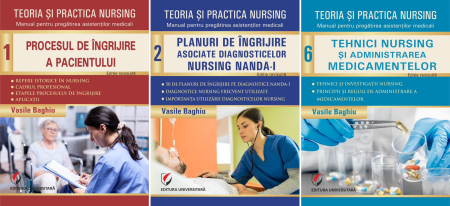
Essential for the student
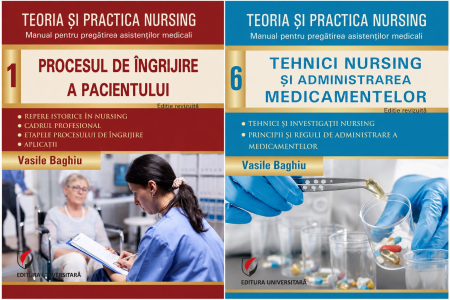
From Theory to Practice
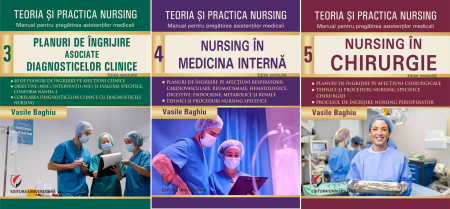
Clinical Nursing
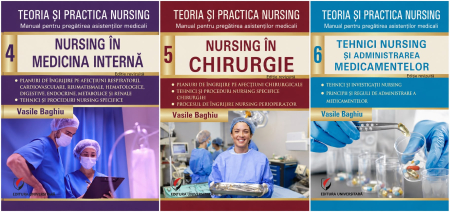
Hospital Practice
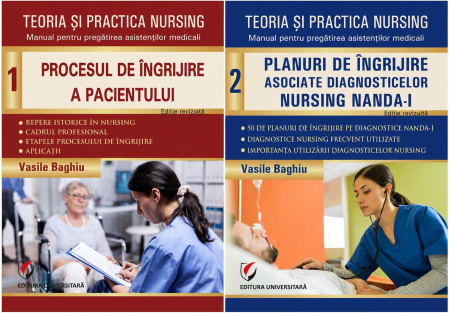
Fundamentals of Nursing
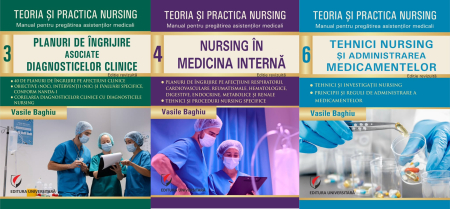
Internal Medicine: Plans and Techniques
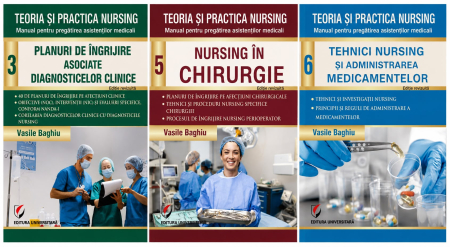
Surgery: Plans and Techniques
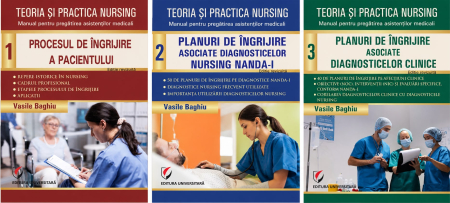
The Complete Care Process
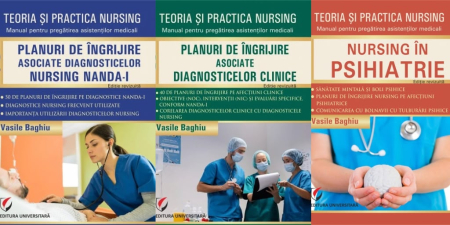
Psychiatric Nursing and Care Plans
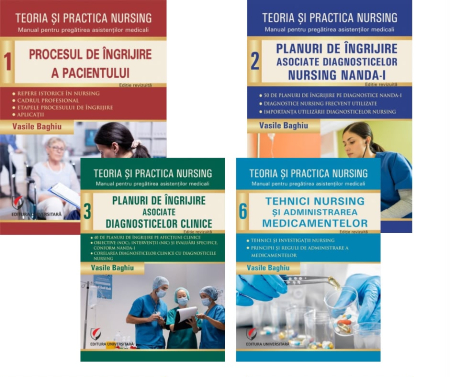
The Complete Core of Nursing
Comprehensive clinical nursing