📦 FREE SHIPPING OVER 120 RON
Order Tracking Individuals / Sales: 0745 200 357 / Orders Legal Entities: 0721 722 783
Manuscript proposals: [email protected] : 0745 204 115

 EN
EN  Romana
6359.png "Editura Universitară") Premium Package College Admission 2026 + Bonus
Premium Package College Admission 2026 + Bonus
![Premium Package College Admission 2026 + Bonus [1]](https://gomagcdn.ro/domains/editurauniversitara.ro/files/product/original/pachet-premium-admitere-facultate-2026-bonus-044993.png "Premium Package College Admission 2026 + Bonus [1]")
Publisher: Editura Universitară
Author: Constantin Gogoneata, Basarab Gogoneata, Valeriu Sofronie, Mihai Surdu, Grațiela Surdu, Marieta Iordan, Diana Korpos, Diana Ioanes, Dorina Stanescu, Alin Alexe
Pages: 244/110/170/140/226/312/218
Publisher year: 2026/2025/2026/2021/2022/2020/2025
ISBN: 978-606-28-2246-0 /978-606-28-1978-1 /978-606-28-2179-1 /978-606-28-1245-4/978-606-28-1413-7 /978-606-28-1084-9/978-606-28-1891-3
Component products
- Description
- Reviews (0)
The guide was created in accordance with the Exam Syllabus and the model developed by the Ministry of Education and Research, for the Baccalaureate session, 2026. The work includes a number of 11 syntheses with theoretical information, 160 grids structured by chapters and 15 Bac-type tests, accompanied by the solution and evaluation scales.
The syntheses and applications are the perfect tools that ensure the acquisition of theory and the practice of the notions required by the curriculum, in order to obtain the maximum score on the exam. They allow candidates to efficiently organize their time and learning effort, ensure thorough, intensive learning and the achievement of the expected results.
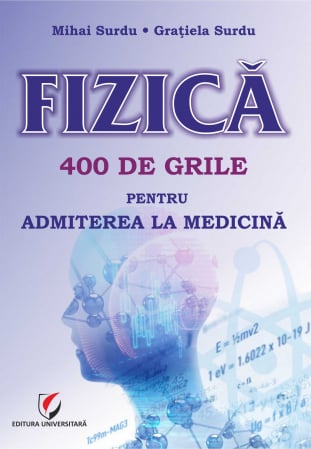
PHYSICS. 400 Grids for Admission to Medicine
This collection contains 10 tests or 400 grids selected in order to prepare the physics exam for admission to the University of Medicine and Pharmacy, together with the correction scales.
Solving these grids ensures the completion of the entire physics program for admission to Medicine, in accordance with the agreed textbooks and at a medium to high level. The problems were designed to meet some subtleties of the requirements of the entrance exam, which would lead to high performance results. In this sense, the suggestion is that solving a test should be within 50 minutes.
This paper comes in complementarity with the Collection edited by UMF "Carol Davila" and in helping students who are preparing for a career of excellence, by modeling a critical and analytical way of thinking, necessary for a profession of vocation.
The Authors
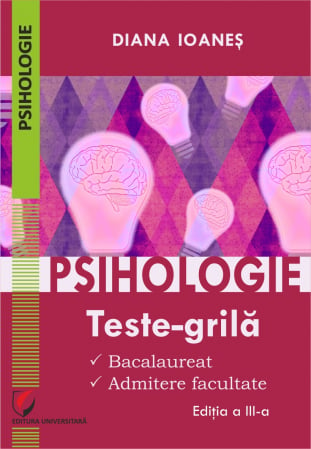
Psychology. Grid tests. Baccalaureate. College admission, 3rd edition - Diana Ioanes
Starting from the difficulties of understanding this discipline by students, difficulties that I faced during the 25 years of teaching activity, I wrote this book to help students eliminate possible confusion or misinformation that they would could have in this area. Those who will go through this collection have the chance to enrich the informational content, to clarify and better understand the concepts of psychology.
And if the road to the "realm of psychology" will be less difficult and because of this book, this will be the living proof that this collection "was asked to be written"!
Author
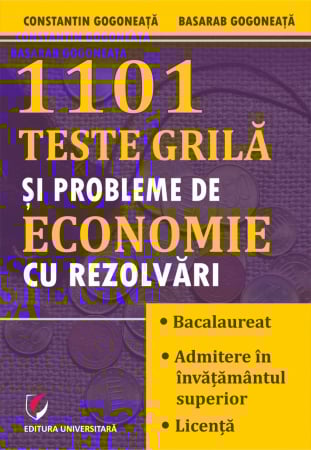
1101 Grid Tests and Economics Problems with Solutions
The book "1101 Economy Grid Tests" is built with the effort and experience of many years and is based on several successful editions of the 500, 600, 700, 800, 900 and 1100 grid tests.
The paper is intended both for candidates for admission to higher education in economics, law and technology, and for students who want to learn the theory of market economics. We also recommend it to all those who support a degree in economics or improve in marketing, management, finance, accounting, law, economic engineering, etc.
After acquiring some basic knowledge of modern economic theory by going through either the admission manual or other courses and studies, solving the tests contributes to fixing the most important notions, connections and economic laws and to the formation of a specialized thinking and culture. The book can be worked on more easily if the tests and problems from our work, entitled "The method of fast and efficient learning of Economics" published by the same publishing house, have been read beforehand.
The eleven chapters of the book comprise tests with a single answer, of those marked with a, b, c or a, b, c, d, e and tests whose only answer A, B, e or D is in fact a grouping that includes all the correct options.
To control the degree of knowledge of the categories, relationships and legalities learned, you can choose, for example, a number of five sets of ten tests from any part of the paper noting with a point each problem solved. For 50 problems for which about two hours of work are given, the grades are as follows: very good for 45-50 points, good for 40-45, satisfactory for 35-40, except for 30 points. Exceptional training is given to pupils or students who solve ten sets of ten problems in three hours.

BAC 2026 Start Package
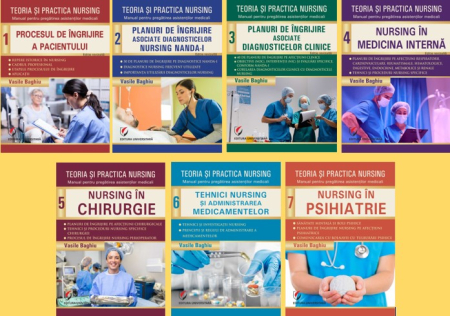
Nursing Theory and Practice
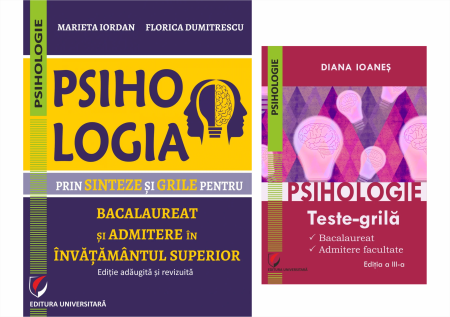
Psychology Premium Package - BAC and FACULTY ADMISSION 2026
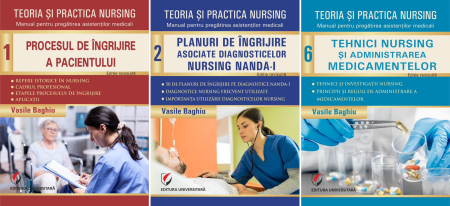
Essential for the student
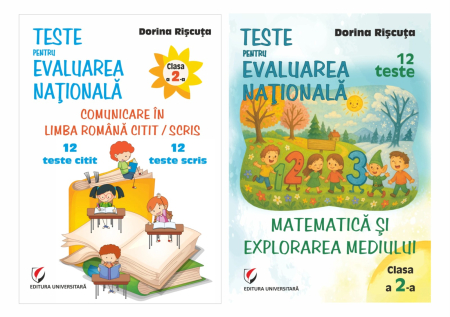
Essential package National Assessment grade 2
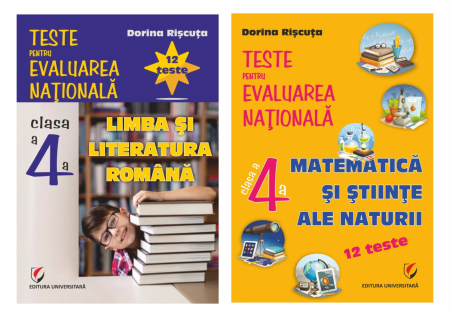
Essential package National Assessment grade 4
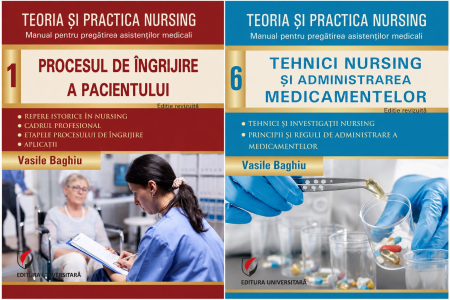
From Theory to Practice
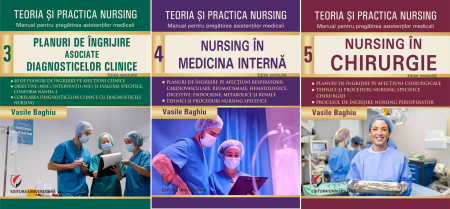
Clinical Nursing

Essential package National Assessment grade 8
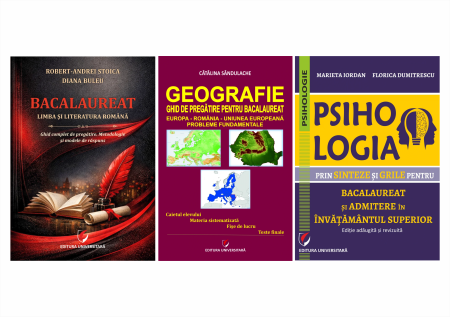
BAC 2026 Essential Package
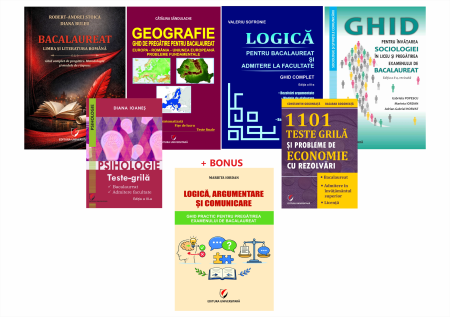
Premium Package BAC 2026 + Bonus
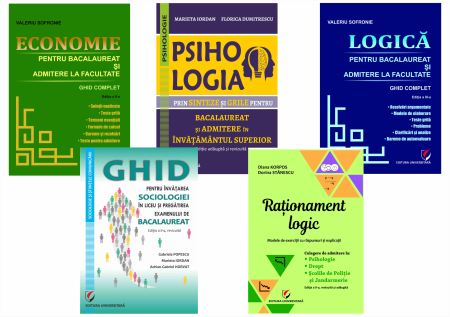
Essential Package - College Admission 2026
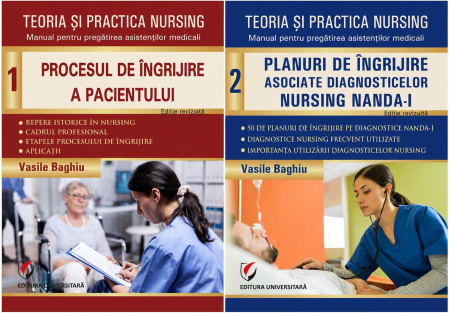
Fundamentals of Nursing
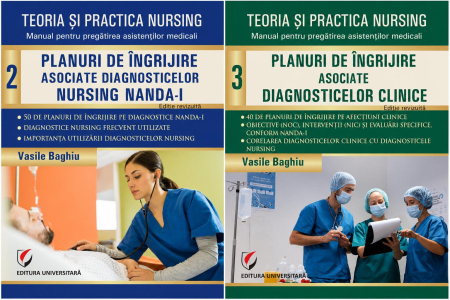
Care Plans