📦 FREE SHIPPING OVER 120 RON
Order Tracking Individuals / Sales: 0745 200 357 / Orders Legal Entities: 0721 722 783
Manuscript proposals: [email protected] : 0745 204 115

 EN
EN  Romana
 The Bazaar of Stories. 100 Turkish Words
![The Bazaar of Stories. 100 Turkish Words [0]](https://gomagcdn.ro/domains/editurauniversitara.ro/files/product/medium/bazarul-de-povesti-100-de-cuvinte-turcesti-418911.jpg "The Bazaar of Stories. 100 Turkish Words [0]")
![The Bazaar of Stories. 100 Turkish Words [1]](https://gomagcdn.ro/domains/editurauniversitara.ro/files/product/medium/bazarul-de-povesti-100-de-cuvinte-turcesti-005083.jpg "The Bazaar of Stories. 100 Turkish Words [1]")
![The Bazaar of Stories. 100 Turkish Words [1]](https://gomagcdn.ro/domains/editurauniversitara.ro/files/product/original/bazarul-de-povesti-100-de-cuvinte-turcesti-418911.jpg "The Bazaar of Stories. 100 Turkish Words [1]")
![The Bazaar of Stories. 100 Turkish Words [2]](https://gomagcdn.ro/domains/editurauniversitara.ro/files/product/original/bazarul-de-povesti-100-de-cuvinte-turcesti-005083.jpg "The Bazaar of Stories. 100 Turkish Words [2]")
Publisher: Cișmigiu Books
Author: Zully Mustafa
Edition: I
Pages: 214
Publisher year: 2025
ISBN: 978-606-28-2000-8
Product Code:
9786062820008
Do you need help?
0745 200 357
- Description
- Authors
- More details
- Content
- Reviews (0)
Nothing is easier than to twist and turn the little teacher from the banks of the Danube, right up to... her spilling into the sea. That's what Zully Mustafa does, in the pages of the original book that you will browse.
The author gathers the threads of the stories into a multicolored ball, weaving words and friendships, playing on the playgrounds of her childhood, with the mischievous ones of today, creating characters that she mixes among us, through the skillful hands of the little illustrators and future (perhaps) writers, who accepted this challenge with immeasurable enthusiasm.
Zully takes us through several stories from the past, brought to the present, evoking for us, the adults, a world, albeit nostalgic, at the same time, full of taste, color and joy, and for the little ones, an amalgam of past joys through games, ideas, images and more.
The author invited her young readers to actively participate and put their personal stamp on the stories told by her and illustrated so suggestively by Adina Dogaru, the talented drawing teacher from the same city. Thus, the little ones drew, commented, drew conclusions from the lines they read, and shared them with future readers.
As you can guess, "The Story Bazaar" is not in its first edition. But the edition you are browsing now is the fruit of the enthusiasm of the Dobrogea community in which it grew up, but also of the children in the classes where experienced teachers and professors, as well as Teach for Romania teachers, teach. The author left it up to the readers to create the fifth chapter of this book, methodically guiding them through the reading and literacy workshops she participated in, both physically and online.
The imaginary stories have real characters, who are happily found in the imaginary heroes who love adventures, the chosen place is a familiar one for them, and the language used is as real as it is picturesque-educational.
Zully Mustafa brings us from his ethnicity, which he represents with all naturalness, the magic of the words with which the Turks who remained in the welcoming Dobrogea enriched our language and culture. Therefore, we find between the lines, highlighted words used in both languages (Turkish and Romanian) and explained in a way that everyone can understand in the dictionary that you will find before chapter 5.
Here we have an interactive collection of imagination, of communion between generations and of references, particularly suggestive of the mosaic of people in the fair on the banks of the old river, the Danube full of stories.
Elena Serghei,
Onboarding Specialist Teach For Romania
The author gathers the threads of the stories into a multicolored ball, weaving words and friendships, playing on the playgrounds of her childhood, with the mischievous ones of today, creating characters that she mixes among us, through the skillful hands of the little illustrators and future (perhaps) writers, who accepted this challenge with immeasurable enthusiasm.
Zully takes us through several stories from the past, brought to the present, evoking for us, the adults, a world, albeit nostalgic, at the same time, full of taste, color and joy, and for the little ones, an amalgam of past joys through games, ideas, images and more.
The author invited her young readers to actively participate and put their personal stamp on the stories told by her and illustrated so suggestively by Adina Dogaru, the talented drawing teacher from the same city. Thus, the little ones drew, commented, drew conclusions from the lines they read, and shared them with future readers.
As you can guess, "The Story Bazaar" is not in its first edition. But the edition you are browsing now is the fruit of the enthusiasm of the Dobrogea community in which it grew up, but also of the children in the classes where experienced teachers and professors, as well as Teach for Romania teachers, teach. The author left it up to the readers to create the fifth chapter of this book, methodically guiding them through the reading and literacy workshops she participated in, both physically and online.
The imaginary stories have real characters, who are happily found in the imaginary heroes who love adventures, the chosen place is a familiar one for them, and the language used is as real as it is picturesque-educational.
Zully Mustafa brings us from his ethnicity, which he represents with all naturalness, the magic of the words with which the Turks who remained in the welcoming Dobrogea enriched our language and culture. Therefore, we find between the lines, highlighted words used in both languages (Turkish and Romanian) and explained in a way that everyone can understand in the dictionary that you will find before chapter 5.
Here we have an interactive collection of imagination, of communion between generations and of references, particularly suggestive of the mosaic of people in the fair on the banks of the old river, the Danube full of stories.
Elena Serghei,
Onboarding Specialist Teach For Romania
Story Word/5
Chapter 1. The Chimir of the Grandfathers/9
Chapter 2. Omer, Enghin and the Candy Factory/27
Chapter 3. Suitcases on the Platform/44
Chapter 4. Breakfast with Turkish Flavors/64
Künefe or Cataif - a Turkish Delight /89
Turkish Word Bank/93
Expressions You Might Find Useful/107
Word Dictionary/109
Chapter 5. A story for young and old/110
Needs analysis tool. School year 2024-2025 /113
Workshop with parents and children /123
The creative circle of the youngest writers in Medgidia/129
"The cheerful ladybugs" - the champions of "reading sheets"/142
3rd grade STEP, "Lucian Grigorescu" Junior High School, Medgidia /146
2nd grade, "Ioan Ghica" Junior High School, Tortoman/155
The little bees from "Nicolae Titulescu" Junior High School, Constanţa/163
Online Bazaar hour with students from Independeșta /165
Artists from Corocăiești, Suceava /179
"Gaşca Alistar" from Amzacea/182
"Reporters" from the I.L. Caragiale Middle School in Medgidia/190
Artists of the 2nd grade A from Poarta Albă /197
Explorators from Chitila /198
"Reporters in images" or the Painting Circle of the I.N. Roman Cultural Center in Medgidia /201
Instead of goodbye/212
Chapter 1. The Chimir of the Grandfathers/9
Chapter 2. Omer, Enghin and the Candy Factory/27
Chapter 3. Suitcases on the Platform/44
Chapter 4. Breakfast with Turkish Flavors/64
Künefe or Cataif - a Turkish Delight /89
Turkish Word Bank/93
Expressions You Might Find Useful/107
Word Dictionary/109
Chapter 5. A story for young and old/110
Needs analysis tool. School year 2024-2025 /113
Workshop with parents and children /123
The creative circle of the youngest writers in Medgidia/129
"The cheerful ladybugs" - the champions of "reading sheets"/142
3rd grade STEP, "Lucian Grigorescu" Junior High School, Medgidia /146
2nd grade, "Ioan Ghica" Junior High School, Tortoman/155
The little bees from "Nicolae Titulescu" Junior High School, Constanţa/163
Online Bazaar hour with students from Independeșta /165
Artists from Corocăiești, Suceava /179
"Gaşca Alistar" from Amzacea/182
"Reporters" from the I.L. Caragiale Middle School in Medgidia/190
Artists of the 2nd grade A from Poarta Albă /197
Explorators from Chitila /198
"Reporters in images" or the Painting Circle of the I.N. Roman Cultural Center in Medgidia /201
Instead of goodbye/212
If you want to express your opinion about this product you can add a review.
write a review
Similar products
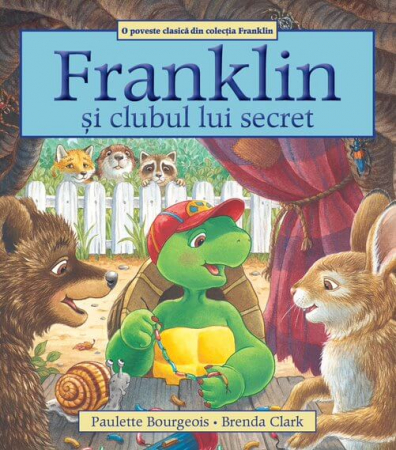
Franklin and his secret club - Paulette Bourgeois, Brenda Clark
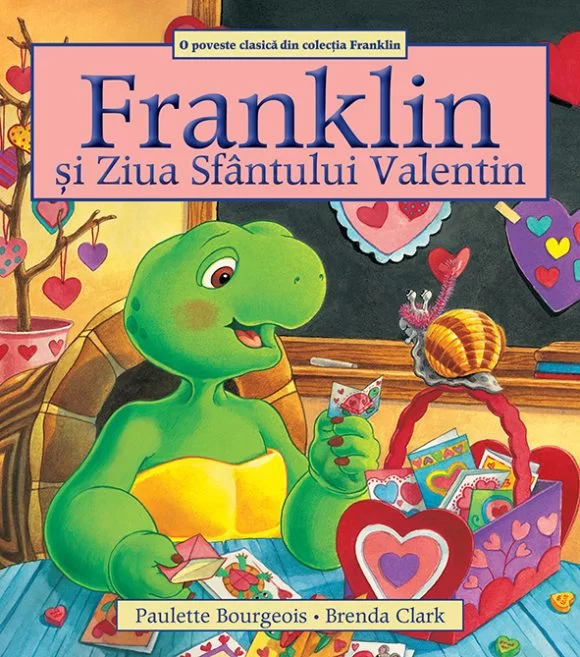
Franklin and Valentine's Day - Paulette Bourgeois, Brenda Clark
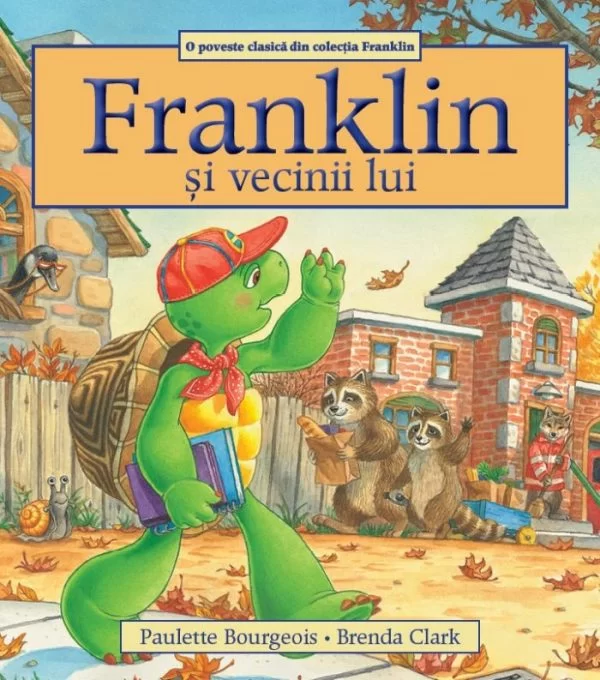
Franklin and his neighbors - Paulette Bourgeois, Brenda Clark
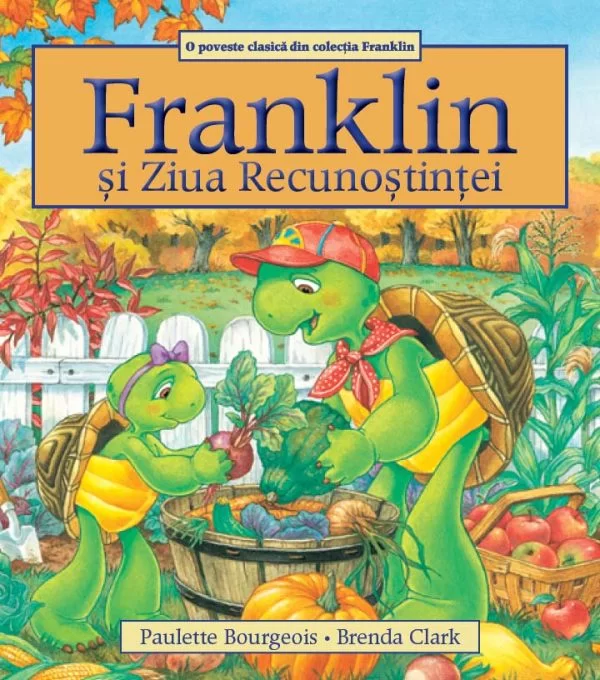
Franklin and Thanksgiving - Paulette Bourgeois, Brenda Clark
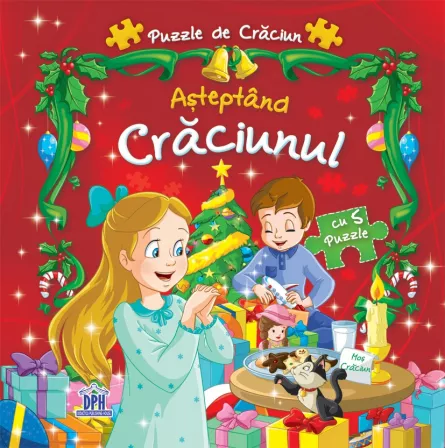
Waiting for Christmas. Christmas puzzle
The magical world of Santa Claus. Christmas puzzle

Cats and Witches. Bugs, Magicians and Other Wonders - Catherine Kalengula
The story in the story
Stone roses