📦 FREE SHIPPING OVER 120 RON
Order Tracking Individuals / Sales: 0745 200 357 / Orders Legal Entities: 0721 722 783
Manuscript proposals: [email protected] : 0745 204 115

 EN
EN  Romana
6359.png "Editura Universitară") Translation in textual typology. Theoretical models and methodological approaches
Translation in textual typology. Theoretical models and methodological approaches
![Translation in textual typology. Theoretical models and methodological approaches [1]](https://gomagcdn.ro/domains/editurauniversitara.ro/files/product/original/traducerea-in-tipologia-textuala-modele-teoretice-si-abordari-metodologice-192222.jpg "Translation in textual typology. Theoretical models and methodological approaches [1]")
Publisher: Editura Universitară
Author: Marilena Milcu
Edition: I
Pages: 210
Publisher year: 2024
ISBN: 978-606-28-1756-5
DOI: https://doi.org/10.5682/9786062817565
Product Code:
9786062817565
Do you need help?
0745 200 357
- Authors
- More details
- Content
- Reviews (0)
Chapter I. Research Methodology in Translation Studies/9
1.1. Translation Research/9
1.1.1. Canonical Scientific Approach/10
1.1.2. The Place of ASC in Translation Studies /11
1.2. Empirical Research Methods and Techniques in Translation Studies/15
1.2.1. Typology /15
1.3. Ways of Selecting Research Methods/21
1.3.1. Index Logic/22
1.3.2. Method-Induced Overlap/23
1.3.3. Principle of Reasonable Profitability/26
1.3.4. Creativity and Innovation/28
Chapter II. Translation and textual typology/32
2.1. Definition of translation: points of view/32
2.2. Types of texts/43
2.3. Types of translation/51
2.3.1. Classification of translation from the thematic and methodological point of view/51
2.3.2. Classifications based on code switching/53
2.3.3. Classifications based on the degree of translatability/54
2.3.4. Classifications based on methodological differences/54
2.3.5. Classifications based on text type differences/56
2.3.6. Classifications based on text type and methodological differences/57
2.3.7. “Integrative” classifications/57
2.4. Integrative classification of all varieties of translation/59
2.5. Functions of translation/62
2.6. Translation prototypes/63
2.6.1. Categories of analysis/64
2.6.2. Varieties according to the method used/66
2.6.3. Translation modalities/68
2.7. Translation methodology/71
2.7.1. What is translation?/71
2.7.2. What is not translation?/73
2.7.3. What should translation take into account?/75
2.7.4. What is translation?/77
2.3.5. Classifications based on text type differences 56
2.3.6. Classifications based on text type and methodological differences 57
2.3.7. “Integrative” classifications 57
2.4. Integrative classification of all varieties of translation 59
2.5. Functions of translation 62
2.6. Prototypes of translation 63
2.6.1. Categories of analysis 64
2.6.2. Varieties according to the method used 66
2.6.3. Ways of translation 68
2.7. Translation methodology 71
2.7.1. What is translation? 71
2.7.2. What is not translation? 73
2.7.3. What should translation take into account? 75
2.7.4. What is translation? 77
2.7.5. Translation: a process of investigation 82
2.8. Typology of texts according to Katharina Reiss 86
2.8.1. Predominantly informative texts 87
2.8.2. Predominantly expressive texts 88
2.8.3 Predominantly inciting texts 92
2.8.4 Scripto sonore texts 95
2.8.5. Analysis of the method 96
2.8.6. New perspectives on the typology of texts 99
2.8.7. A criteria-based approach 103
Chapter III. Translation of specialized texts 110
3.1. Technical texts and their classification 112
3.1.1. Current classification of texts 112
3.1.2. Technical texts and scientific texts 116
3.1.3. Popularization texts 120
3.1.4. Hybrid texts: the limits of classification 125
3.1.5. Technical advertising texts 129
3.2. Corpus and textual typology 131
3.2.1. Norm and quantitative description 134
3.2.2. Standards and multiple levels of description 138
3.2.3. Textual typologies and linguistic typologies 142
3.3. Knowledge of textual typology as a facilitator of understanding in literary translation 145
3.3.1. Understanding literary texts 149
3.3.2. Textual typology of literary genres 152
3.3.3. Understanding within the Theory of Meaning 154
3.3.4. The Link Between the Meaning Seeking and the Typology of Literary Texts 156
3.3.5. Translation and Reinterpretation 161
3.3.5.1. A Linguistic Approach Integrated into a Semiotics of Cultures 163
3.3.5.2. Discourse and Genres: From Global to Local 169
3.3.5.3. The Problem of “Translation Units” 178
3.4. Literary works with an ethnic character/187
3.4.1. General translation and specialized translation: where is the border?/198
3.4.1.1. The terminological factor/199
3.4.1.2. The domain issue/203
3.4.1.3. Accessibility of texts and the target audience/204
Bibliography/207
1.1. Translation Research/9
1.1.1. Canonical Scientific Approach/10
1.1.2. The Place of ASC in Translation Studies /11
1.2. Empirical Research Methods and Techniques in Translation Studies/15
1.2.1. Typology /15
1.3. Ways of Selecting Research Methods/21
1.3.1. Index Logic/22
1.3.2. Method-Induced Overlap/23
1.3.3. Principle of Reasonable Profitability/26
1.3.4. Creativity and Innovation/28
Chapter II. Translation and textual typology/32
2.1. Definition of translation: points of view/32
2.2. Types of texts/43
2.3. Types of translation/51
2.3.1. Classification of translation from the thematic and methodological point of view/51
2.3.2. Classifications based on code switching/53
2.3.3. Classifications based on the degree of translatability/54
2.3.4. Classifications based on methodological differences/54
2.3.5. Classifications based on text type differences/56
2.3.6. Classifications based on text type and methodological differences/57
2.3.7. “Integrative” classifications/57
2.4. Integrative classification of all varieties of translation/59
2.5. Functions of translation/62
2.6. Translation prototypes/63
2.6.1. Categories of analysis/64
2.6.2. Varieties according to the method used/66
2.6.3. Translation modalities/68
2.7. Translation methodology/71
2.7.1. What is translation?/71
2.7.2. What is not translation?/73
2.7.3. What should translation take into account?/75
2.7.4. What is translation?/77
2.3.5. Classifications based on text type differences 56
2.3.6. Classifications based on text type and methodological differences 57
2.3.7. “Integrative” classifications 57
2.4. Integrative classification of all varieties of translation 59
2.5. Functions of translation 62
2.6. Prototypes of translation 63
2.6.1. Categories of analysis 64
2.6.2. Varieties according to the method used 66
2.6.3. Ways of translation 68
2.7. Translation methodology 71
2.7.1. What is translation? 71
2.7.2. What is not translation? 73
2.7.3. What should translation take into account? 75
2.7.4. What is translation? 77
2.7.5. Translation: a process of investigation 82
2.8. Typology of texts according to Katharina Reiss 86
2.8.1. Predominantly informative texts 87
2.8.2. Predominantly expressive texts 88
2.8.3 Predominantly inciting texts 92
2.8.4 Scripto sonore texts 95
2.8.5. Analysis of the method 96
2.8.6. New perspectives on the typology of texts 99
2.8.7. A criteria-based approach 103
Chapter III. Translation of specialized texts 110
3.1. Technical texts and their classification 112
3.1.1. Current classification of texts 112
3.1.2. Technical texts and scientific texts 116
3.1.3. Popularization texts 120
3.1.4. Hybrid texts: the limits of classification 125
3.1.5. Technical advertising texts 129
3.2. Corpus and textual typology 131
3.2.1. Norm and quantitative description 134
3.2.2. Standards and multiple levels of description 138
3.2.3. Textual typologies and linguistic typologies 142
3.3. Knowledge of textual typology as a facilitator of understanding in literary translation 145
3.3.1. Understanding literary texts 149
3.3.2. Textual typology of literary genres 152
3.3.3. Understanding within the Theory of Meaning 154
3.3.4. The Link Between the Meaning Seeking and the Typology of Literary Texts 156
3.3.5. Translation and Reinterpretation 161
3.3.5.1. A Linguistic Approach Integrated into a Semiotics of Cultures 163
3.3.5.2. Discourse and Genres: From Global to Local 169
3.3.5.3. The Problem of “Translation Units” 178
3.4. Literary works with an ethnic character/187
3.4.1. General translation and specialized translation: where is the border?/198
3.4.1.1. The terminological factor/199
3.4.1.2. The domain issue/203
3.4.1.3. Accessibility of texts and the target audience/204
Bibliography/207
If you want to express your opinion about this product you can add a review.
write a review
Similar products

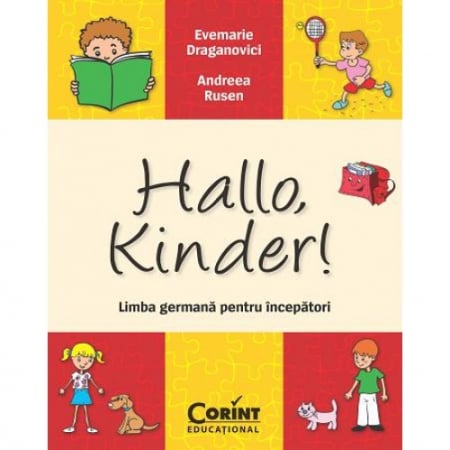
Hello, Kinder! German for beginners - Evemarie Draganovici, Andreea Rusen
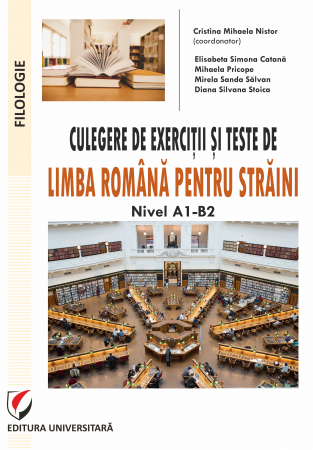

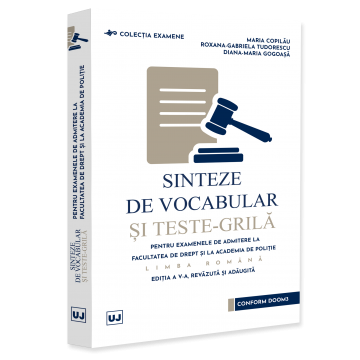
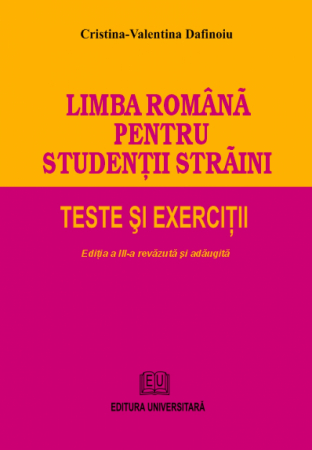


English without teacher & 2 audio CDs. Instant method - Sandra Stevens
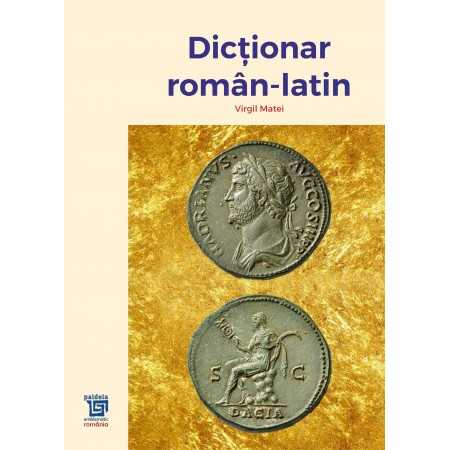
Romanian-Latin dictionary - Virgil Matei